Operators often read an alarm number, reset it, and carry on. That works once. When the same alarm returns the next day, something mechanical or electrical is genuinely wrong. These are the alarms we are called for most often.
Servo and overload alarms
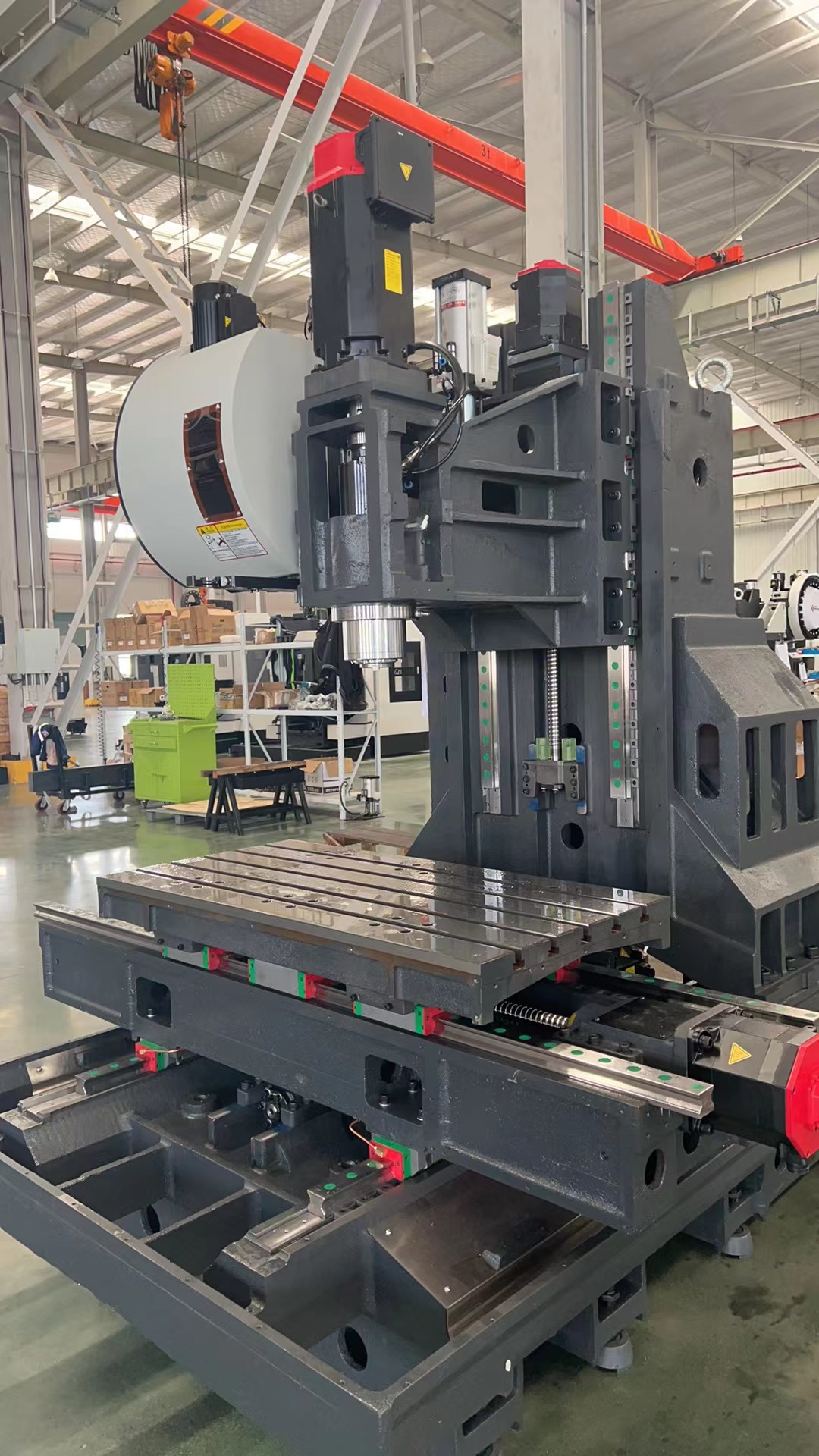
Usually caused by a mechanically stiff axis: dry ball screws, a failing bearing, or chips packed into a way cover. Check the axis by hand with the power off before blaming the drive.
Spindle alarms
Overheat and overload alarms on the spindle usually point to a clogged cooling circuit, a worn belt, or a bearing that is starting to fail. A rising idle current reading is an early warning.
Battery and encoder alarms
A low battery alarm should never be ignored. If the memory battery dies, machine parameters and the zero return position can be lost, and recovering them takes far longer than a battery change.
Tool changer alarms
Most tool changer faults are pneumatic: low air pressure, a sticking solenoid, or a proximity switch that has drifted out of position. Check the air gauge first.
Emergency stop and interlock alarms
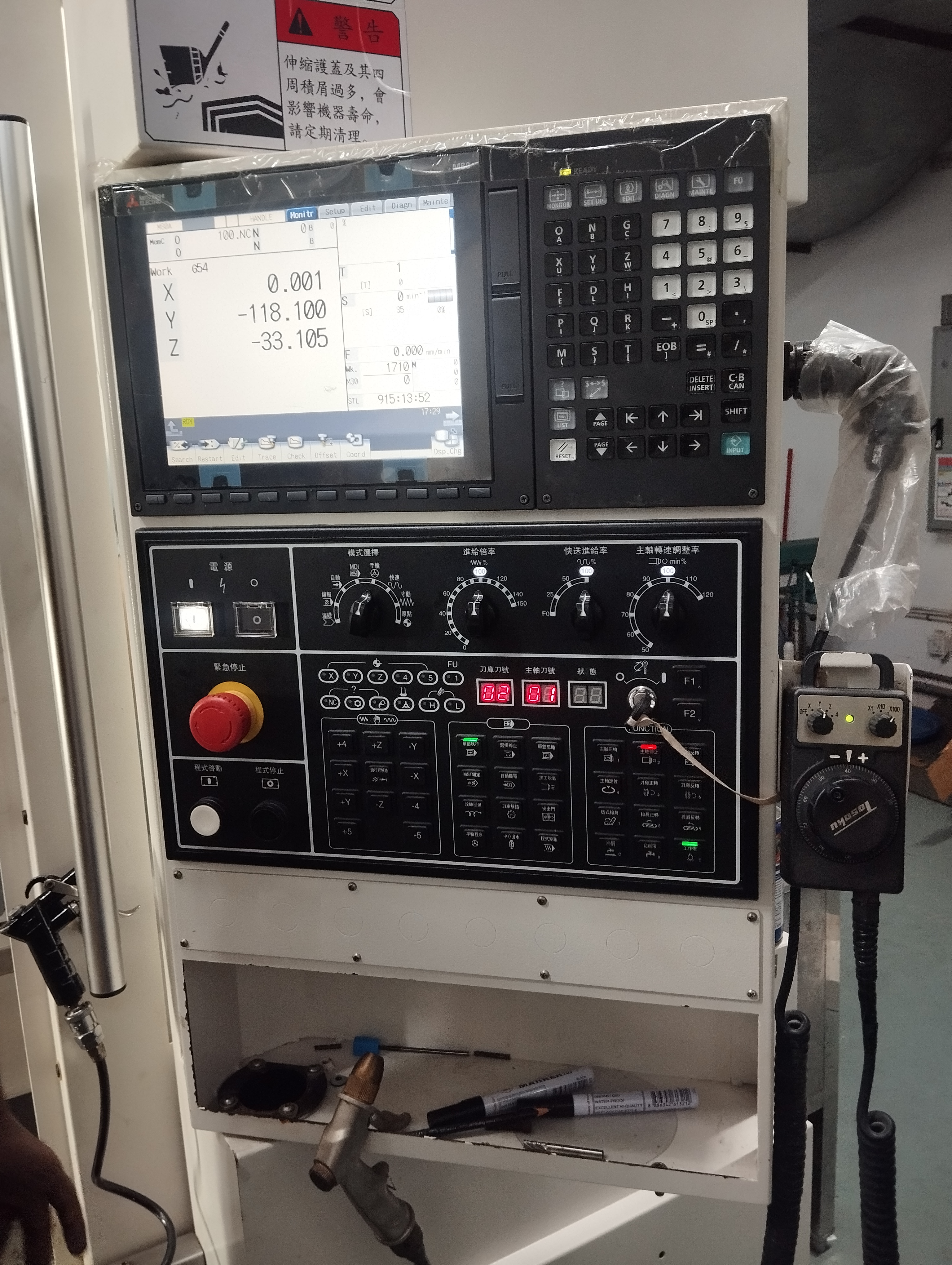
If an E-stop alarm will not clear, check every door switch and every E-stop button in the chain, including the one on the operator pendant. A single loose contact holds the whole chain open.
Before you call
Note the exact alarm number, what the machine was doing at the time, and whether it repeats after a full power cycle. That information usually cuts the diagnosis time in half.